QATAR ANNOUNCES NEW SPORTS CITY DEVELOPMENT AHEAD OF 2030 ASIAN GAMES
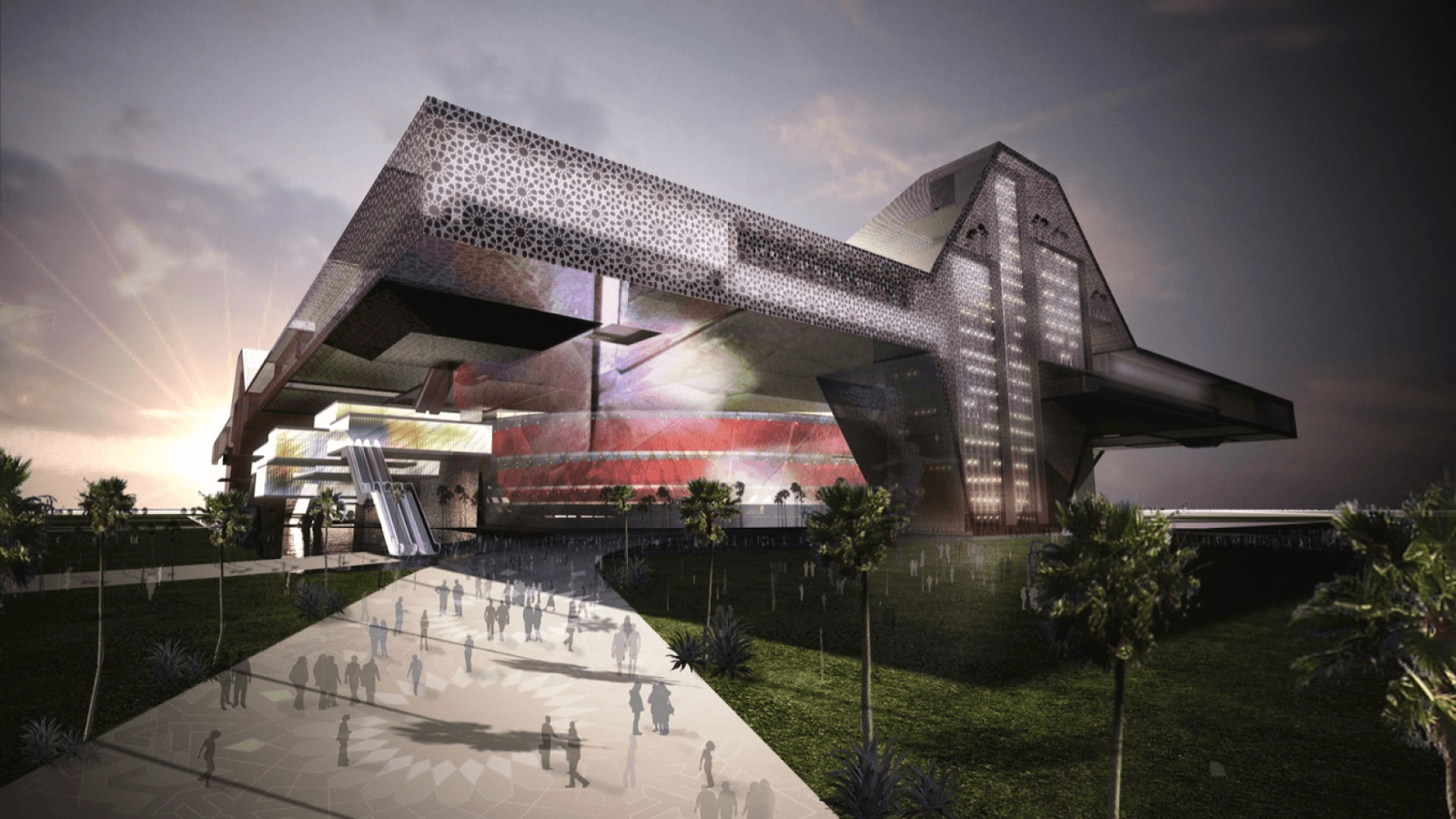
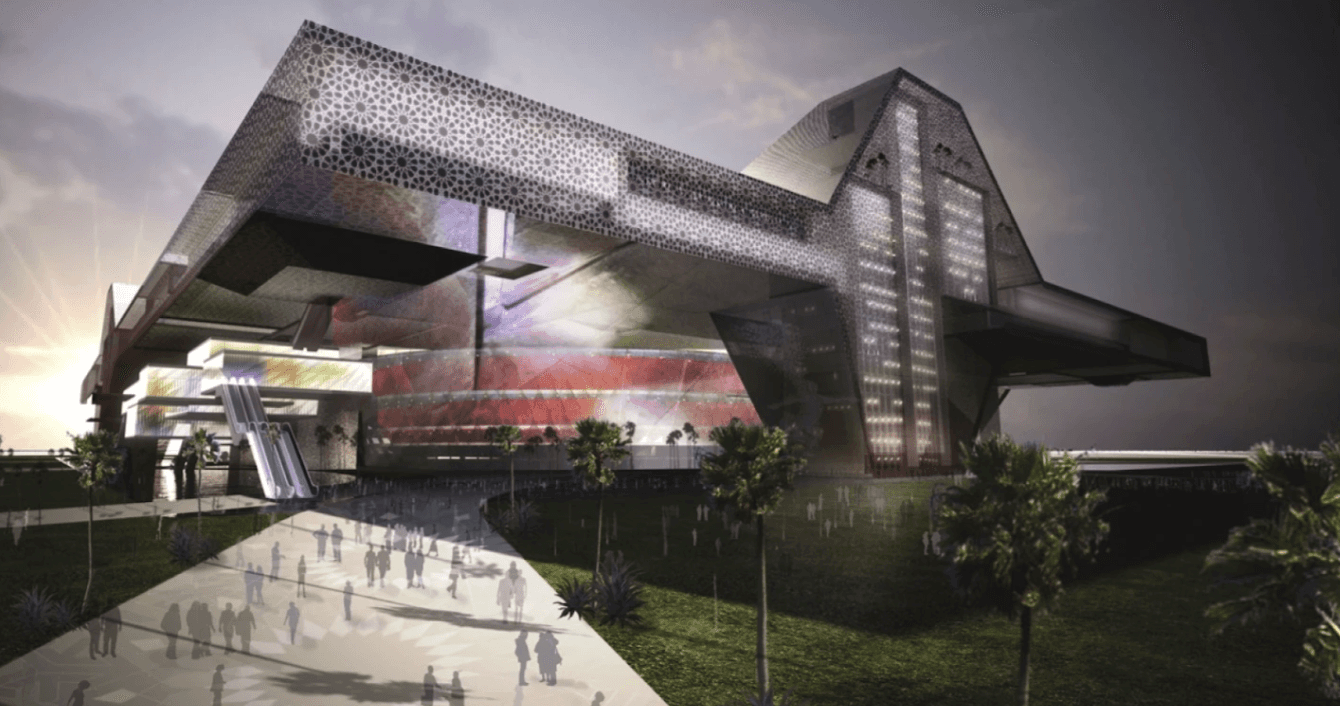
Qatar has unveiled plans for a groundbreaking $8 billion sports infrastructure project that will serve as the centerpiece for the 2030 Asian Games. The ambitious development represents one of the largest sports facility investments in the Middle East and signals Qatar's continued commitment to becoming a global sports hub following the success of the 2022 FIFA World Cup.
A LEGACY PROJECT FOR THE REGION
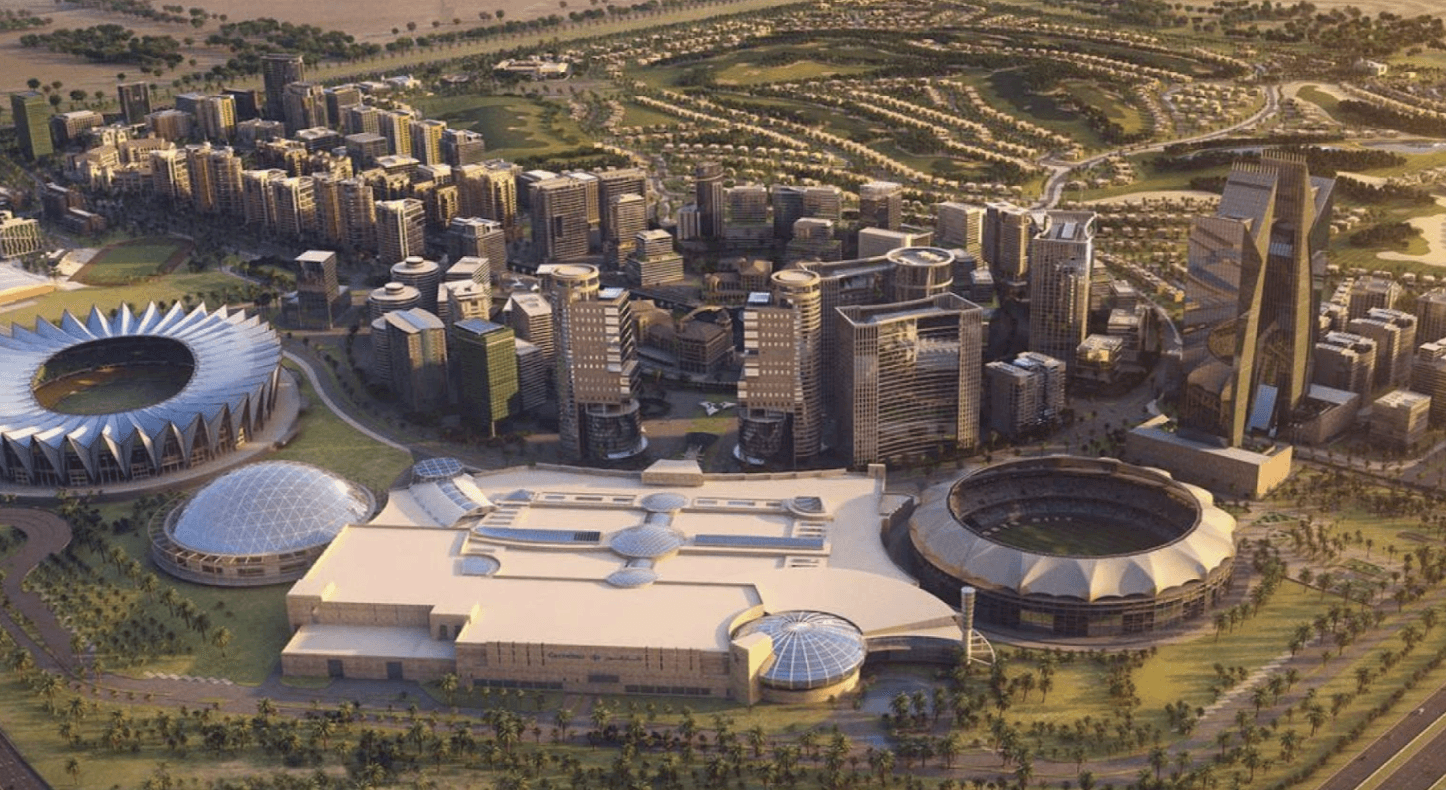
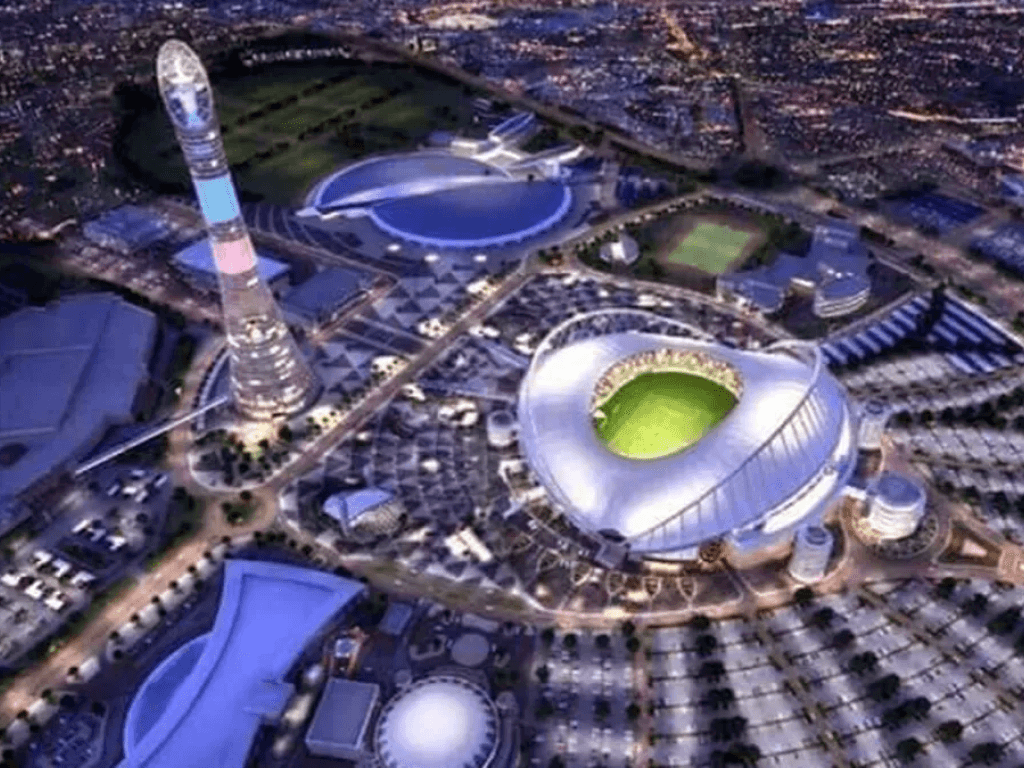
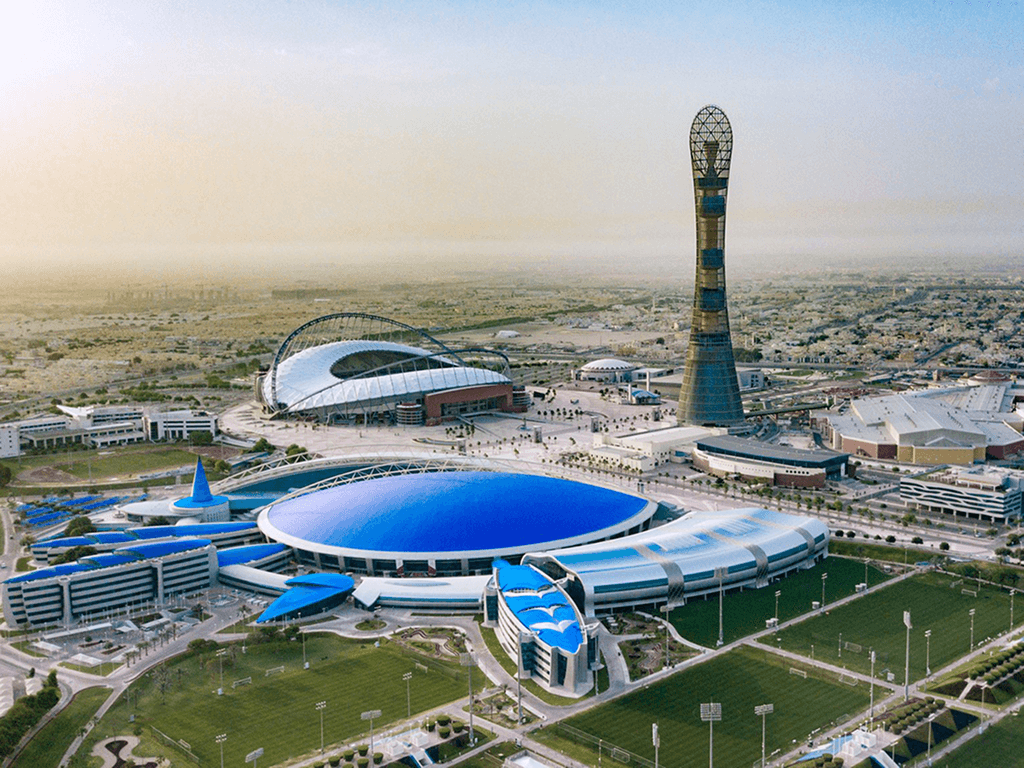
The Qatar Sports City 2030 project spans 2.5 million square meters in the Al Rayyan district, strategically located between Doha's city center and the Education City complex. The development will feature 15 Olympic-standard venues, including a 60,000-seat main stadium, aquatics center, indoor arena, and specialized facilities for 28 different sports.
"This project goes beyond hosting the Asian Games," explained Sheikh Mohammed bin Hamad Al Thani, Chairman of the Qatar Olympic Committee. "We're creating a sustainable sports ecosystem that will serve athletes, families, and communities for generations to come. Every facility is designed with post-Games legacy use in mind."
WORLD-CLASS FACILITIES AND INNOVATION
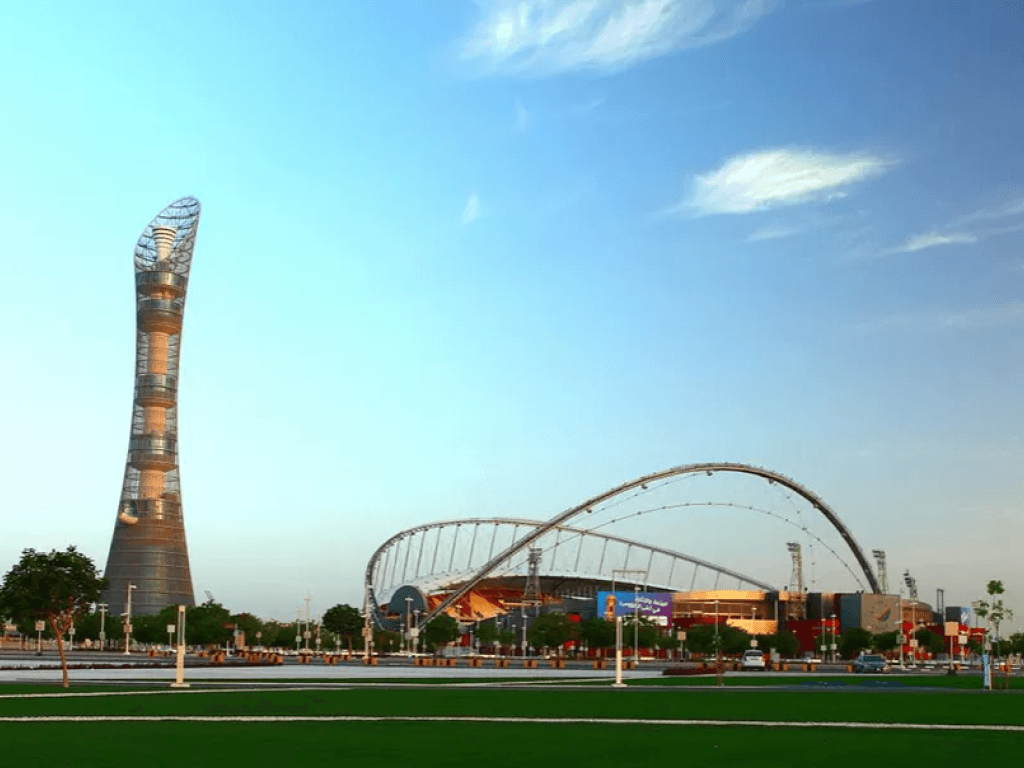
The centerpiece is the Qatar National Stadium, a 60,000-capacity venue featuring retractable roof technology and advanced cooling systems that maintain comfortable temperatures even during summer months. The stadium's design incorporates traditional Qatari architectural elements while meeting all international standards for athletics and football.
The aquatics complex includes Olympic-size swimming pools, diving facilities, and a water polo arena, all housed under a striking wave-inspired roof structure. Post-Games, the facility will serve as a regional training center and host international swimming competitions.
Sustainability at the Core
Environmental sustainability is central to the project's design. All venues will achieve LEED Gold certification or higher, with features including:
Solar panel arrays generating 40% of the complex's energy needs
Advanced water recycling systems reducing consumption by 60%
Green building materials sourced from regional suppliers
Extensive landscaping with native, drought-resistant plants
Public transportation integration with Doha Metro expansion
ATHLETE VILLAGE AND HOUSING
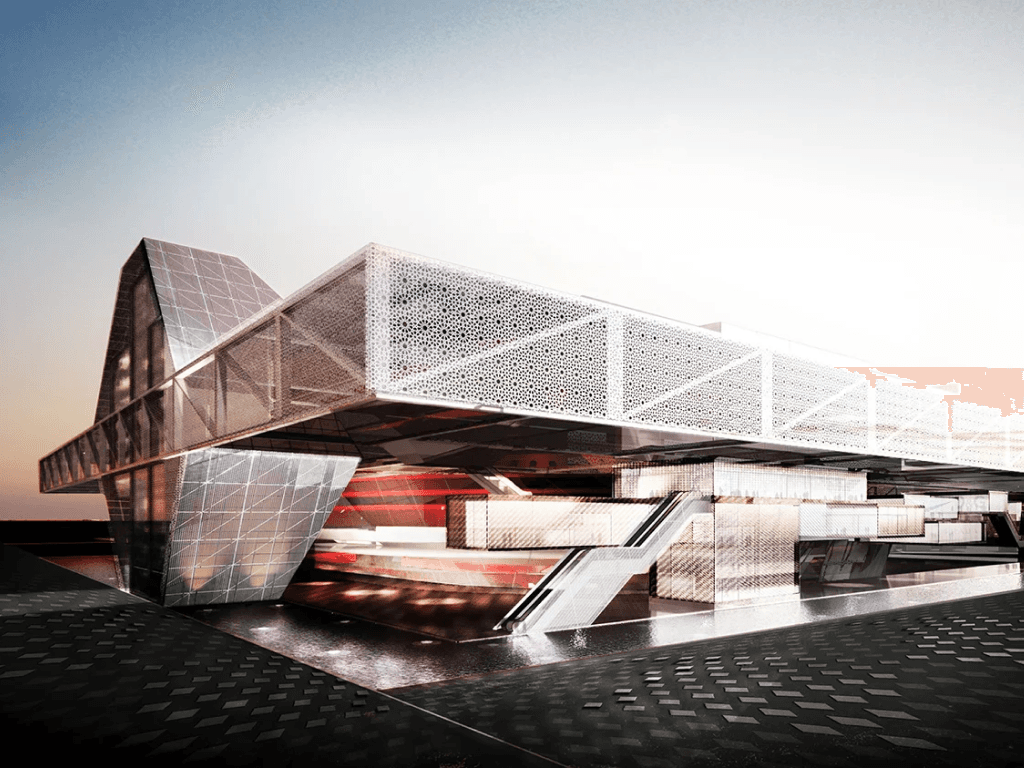
The development includes a purpose-built athlete village accommodating 6,000 competitors during the Games. The village features modern apartments, dining facilities, medical centers, and recreational spaces designed to create an optimal environment for athletic performance.
Following the Asian Games, the athlete village will be converted into mixed-use residential and commercial space, providing 2,400 housing units for Qatar's growing population. This approach ensures the investment continues to benefit the community long after the Games conclude.
ECONOMIC IMPACT AND JOB CREATION
The project is expected to create 15,000 construction jobs over the five-year build period, with an additional 8,000 permanent positions once operational. Economic analysts project the development will contribute $2.5 billion annually to Qatar's GDP through tourism, events, and ongoing operations.
"The multiplier effect of this investment extends far beyond the construction phase," noted Dr. Fatima Al Kuwari, an economist at Qatar University. "We're seeing increased demand for hospitality services, sports medicine professionals, facility management expertise, and event coordination capabilities. This creates a robust ecosystem of sports-related employment."
REGIONAL TRAINING CENTER AMBITIONS
Qatar aims to position the Sports City as the premier training destination for elite athletes across the Middle East and Asia. The facilities will be available year-round for national teams, professional clubs, and individual athletes seeking world-class training environments.
Partnerships with international sports federations are already being established. The International Association of Athletics Federations (IAAF) has expressed interest in designating the complex as an official training center, while several European football clubs have indicated plans to use the facilities for winter training camps.
TIMELINE AND CONSTRUCTION PHASES
Construction is scheduled to begin in Q1 2026, with completion targeted for late 2029 to allow adequate testing time before the Games. The project will be executed in three phases:
Phase 1 (2026-2027): Infrastructure, main stadium, and aquatics center
Phase 2 (2027-2028): Indoor arena, specialized sports facilities, and athlete village
Phase 3 (2028-2029): Landscaping, transportation links, and final venue preparations
IMPLICATIONS FOR THE GCC SPORTS LANDSCAPE
Qatar's investment continues the trend of Gulf nations positioning themselves as global sports destinations. Following the UAE's success with Dubai Sports City and Saudi Arabia's ambitious sports transformation program, the region is rapidly becoming a hub for international sporting events and athlete development.
This competitive dynamic benefits athletes and sports organizations throughout the GCC, as countries invest in facilities, coaching expertise, and sports science capabilities. The rising tide of sports infrastructure development is elevating standards across the entire region.
LOOKING AHEAD
The Qatar Sports City 2030 project represents more than preparation for a single event. It's a long-term investment in sports infrastructure, community health, and Qatar's position as a global sports destination. As construction progresses over the coming years, the development will serve as a model for sustainable, legacy-focused sports facility planning.
For athletes, coaches, and sports professionals across the Middle East, the project signals expanding opportunities for training, competition, and career development in the region's growing sports sector.