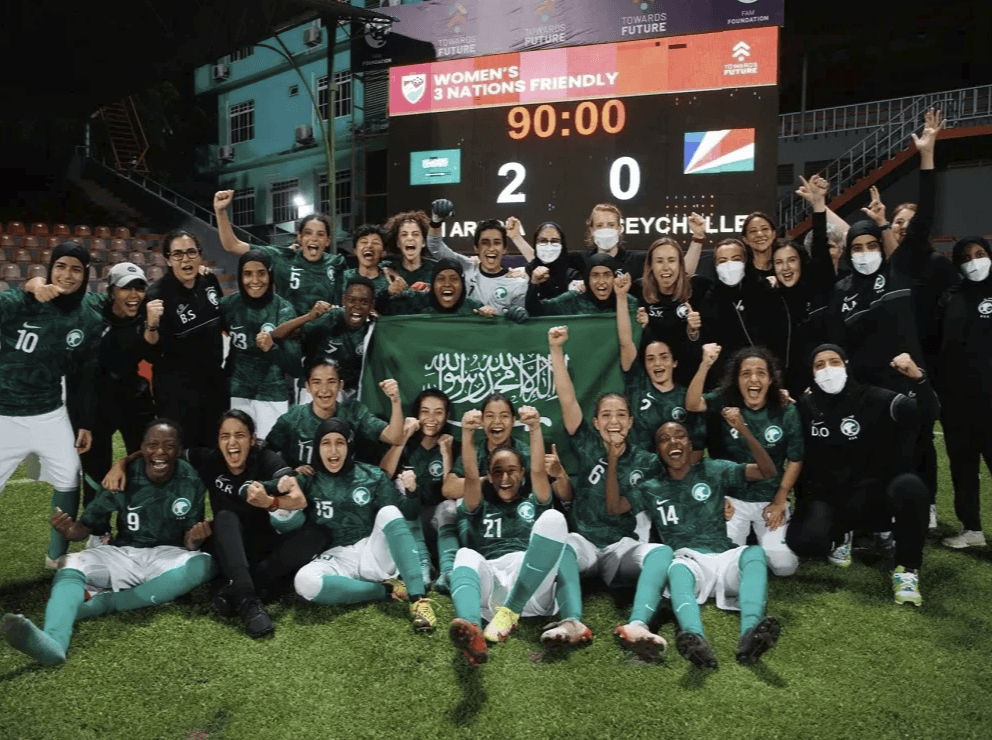
Saudi Arabia and UAE Sign Historic Sports Partnership Agreement
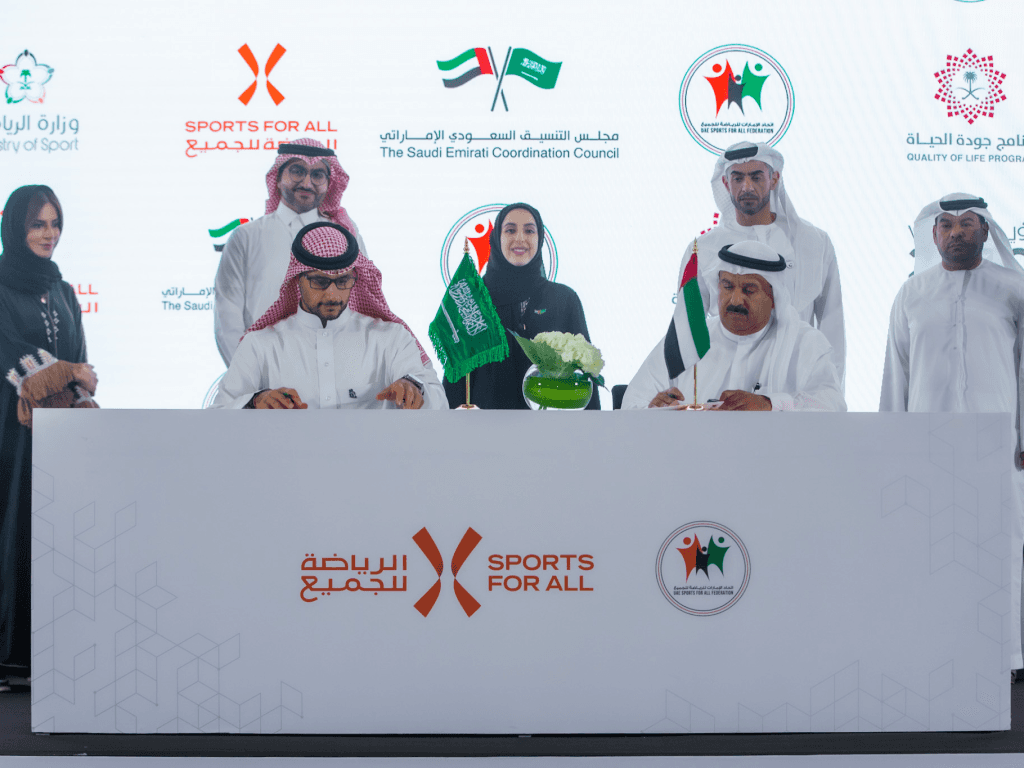
In a landmark development for Gulf sports, Saudi Arabia and the United Arab Emirates have signed a comprehensive sports partnership agreement valued at $2.5 billion over five years. The historic deal, announced at a ceremony in Riyadh attended by sports ministers from both nations, establishes a unified framework for athlete development, shared infrastructure, and integrated league systems across multiple sports.
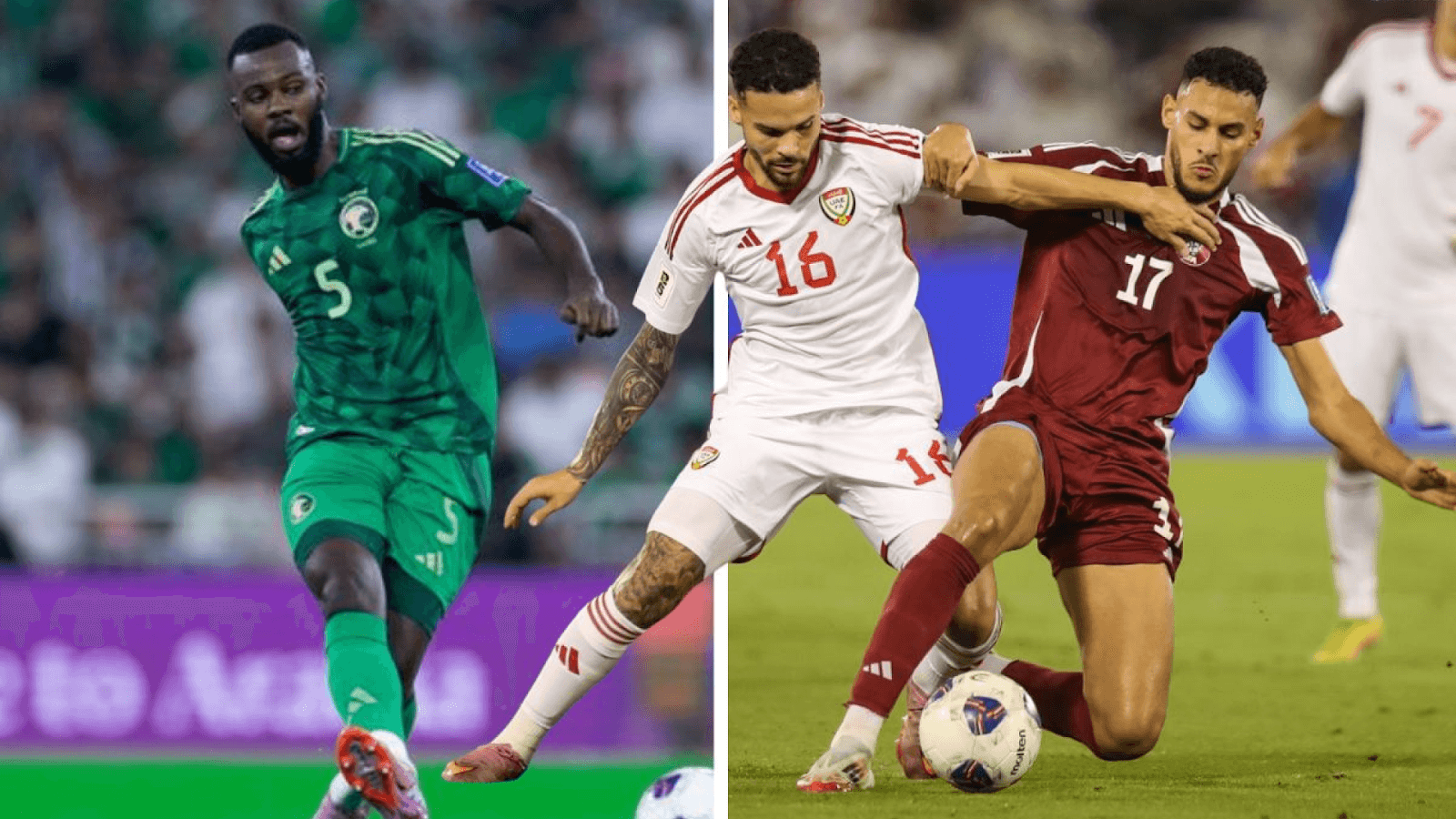
Unified Gulf Sports League System
The centerpiece of the agreement is the creation of the Gulf Premier League (GPL), a unified competition structure that will initially cover football, basketball, and volleyball. Starting in the 2026-2027 season, the top six clubs from each nation's domestic league will compete in a 12-team super league format.
The GPL will feature a 22-match regular season followed by playoffs, with the champion earning automatic qualification to the AFC Champions League. Prize money for the inaugural season totals $150 million, with the champion receiving $40 million—making it one of the richest club competitions in Asian football.
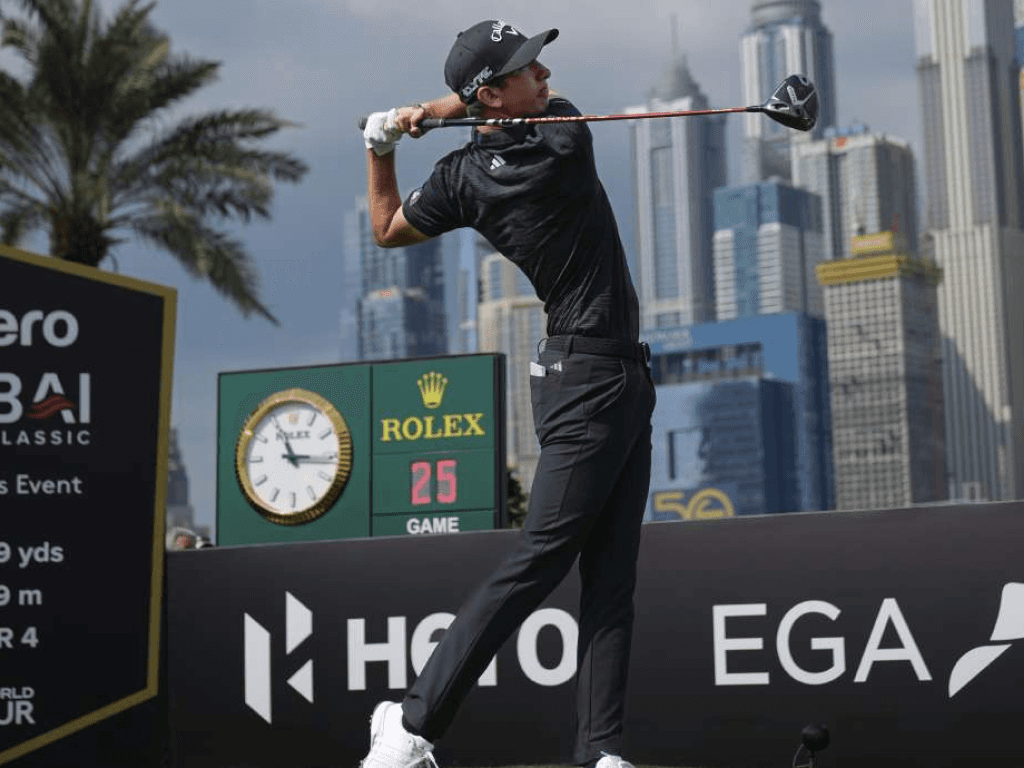
Shared Athlete Development Programs
Both nations will establish joint national training centers in Riyadh, Dubai, and Abu Dhabi, creating a network of elite development academies. The program will focus on:
Youth development pathways for athletes aged 12-18
Shared coaching education programs with UEFA and NBA partnerships
Sports science research collaboration between universities
Talent identification programs across both countries
Exchange programs allowing young athletes to train in both nations
The initiative will invest $800 million over five years in youth development, with a target of producing 500 professional athletes who can compete at international level by 2030.
Infrastructure Sharing Agreement
The partnership includes unprecedented infrastructure sharing arrangements. Saudi clubs will have access to UAE training facilities during summer months when temperatures in the Kingdom exceed 50°C, while UAE teams can utilize Saudi Arabia's high-altitude training centers in Abha and Taif.
Major stadiums in both countries will be available for neutral venue matches, international tournaments, and training camps. This includes access to:
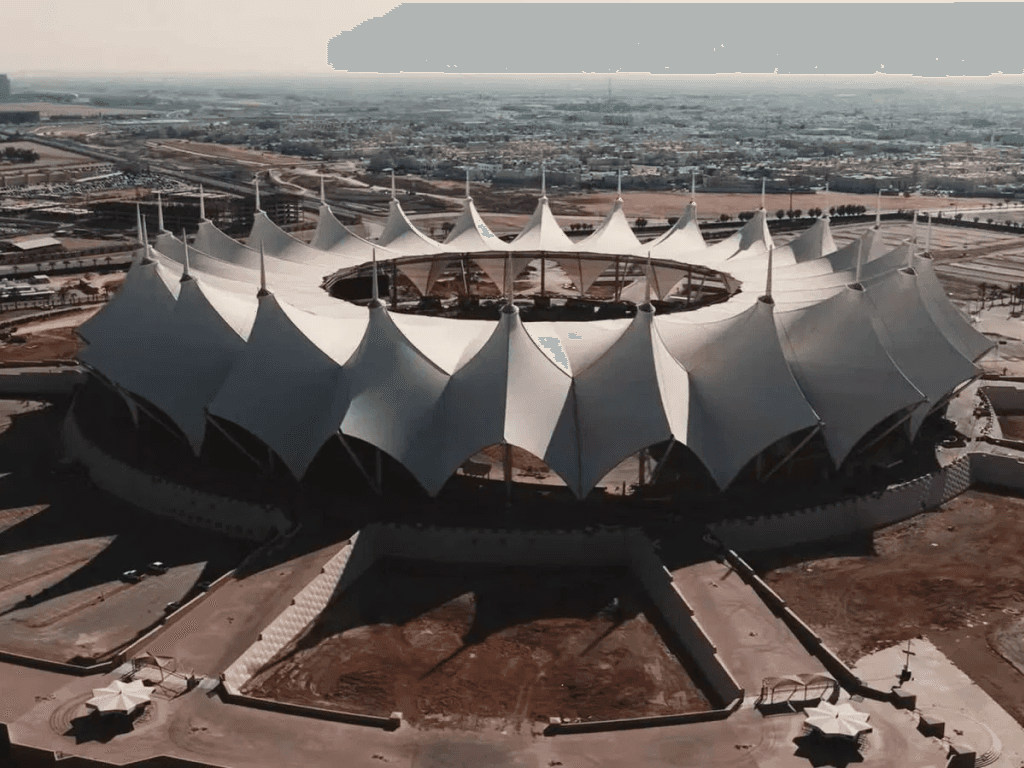
King Fahd International Stadium (Riyadh, 67,000 capacity)
Mohammed Bin Zayed Stadium (Abu Dhabi, 42,000 capacity)
King Abdullah Sports City (Jeddah, 62,000 capacity)
Hazza Bin Zayed Stadium (Al Ain, 25,000 capacity)
Economic and Commercial Integration
The agreement establishes a joint sports investment fund worth $1 billion to attract international sporting events, develop commercial opportunities, and invest in sports technology startups. The fund will be managed equally by both nations' sovereign wealth funds.
Broadcasting rights for the Gulf Premier League have already attracted significant interest, with preliminary discussions valuing the package at $400 million annually. Major streaming platforms and traditional broadcasters from Europe, Asia, and the Americas have expressed interest in securing rights.
Women's Sports Development
A dedicated $300 million allocation will support women's sports development across both nations, including:
Women's Gulf Premier League for football and basketball
Scholarship programs for female athletes at international academies
Women's sports science and coaching education centers
Marketing campaigns to increase participation and viewership
The women's football league will launch in 2026 with eight teams from each country, featuring a minimum salary cap of $50,000 per player and investment in grassroots programs targeting 100,000 girls aged 6-16.

International Sporting Events
Both nations will collaborate on bidding for major international sporting events, including a joint bid for the 2034 Asian Games and potential hosting of FIFA Club World Cup matches. The partnership strengthens the region's position as a global sports destination, building on Qatar's successful hosting of the 2022 FIFA World Cup.
Technology and Innovation
The agreement includes establishment of a Gulf Sports Technology Hub in Dubai Internet City, focusing on:
AI-powered performance analysis systems
Virtual reality training platforms
Wearable technology for athlete monitoring
Blockchain-based ticketing and fan engagement systems
Sports betting and fantasy sports platforms (where legally permitted)
Regional Impact
Sports analysts predict the partnership will accelerate the Gulf's emergence as a global sports powerhouse. "This is a game-changer for the region," said Dr. Khalid Al-Suwaidi, Professor of Sports Management at Zayed University. "By combining resources and eliminating competition between the two largest Gulf economies, they're creating a sports ecosystem that can rival Europe and North America."
The agreement has already prompted interest from other GCC nations, with Qatar, Bahrain, and Oman expressing desire to join the partnership framework. Expansion discussions are scheduled for Q2 2025, potentially creating a truly pan-Gulf sports alliance.
Implementation Timeline
The partnership will be implemented in phases over five years, with key milestones including the launch of joint training centers in 2025, the inaugural Gulf Premier League season in 2026, and full integration of youth development programs by 2028. A joint steering committee with representatives from both nations' sports ministries will oversee implementation and resolve any operational challenges.