The Rise of UAE as a Global Sports Destination
Over the past two decades, the United Arab Emirates has undergone a remarkable transformation from a regional sports participant to a global athletics powerhouse. Through strategic investments exceeding $15 billion, world-class infrastructure development, and a clear vision for sports excellence, the UAE has positioned itself as one of the world's premier destinations for international sporting events, athlete training, and sports business.
THE STRATEGIC VISION: SPORTS AS ECONOMIC DIVERSIFICATION
The UAE's sports strategy is deeply rooted in its broader economic diversification goals. As the nation seeks to reduce dependence on oil revenues, sports and recreation have emerged as key pillars of the knowledge-based economy. The UAE Sports Strategy 2031, launched in 2017, set ambitious targets: increase sports participation to 80% of the population, host 100+ international sporting events annually, and establish the UAE as a global hub for sports innovation and technology.
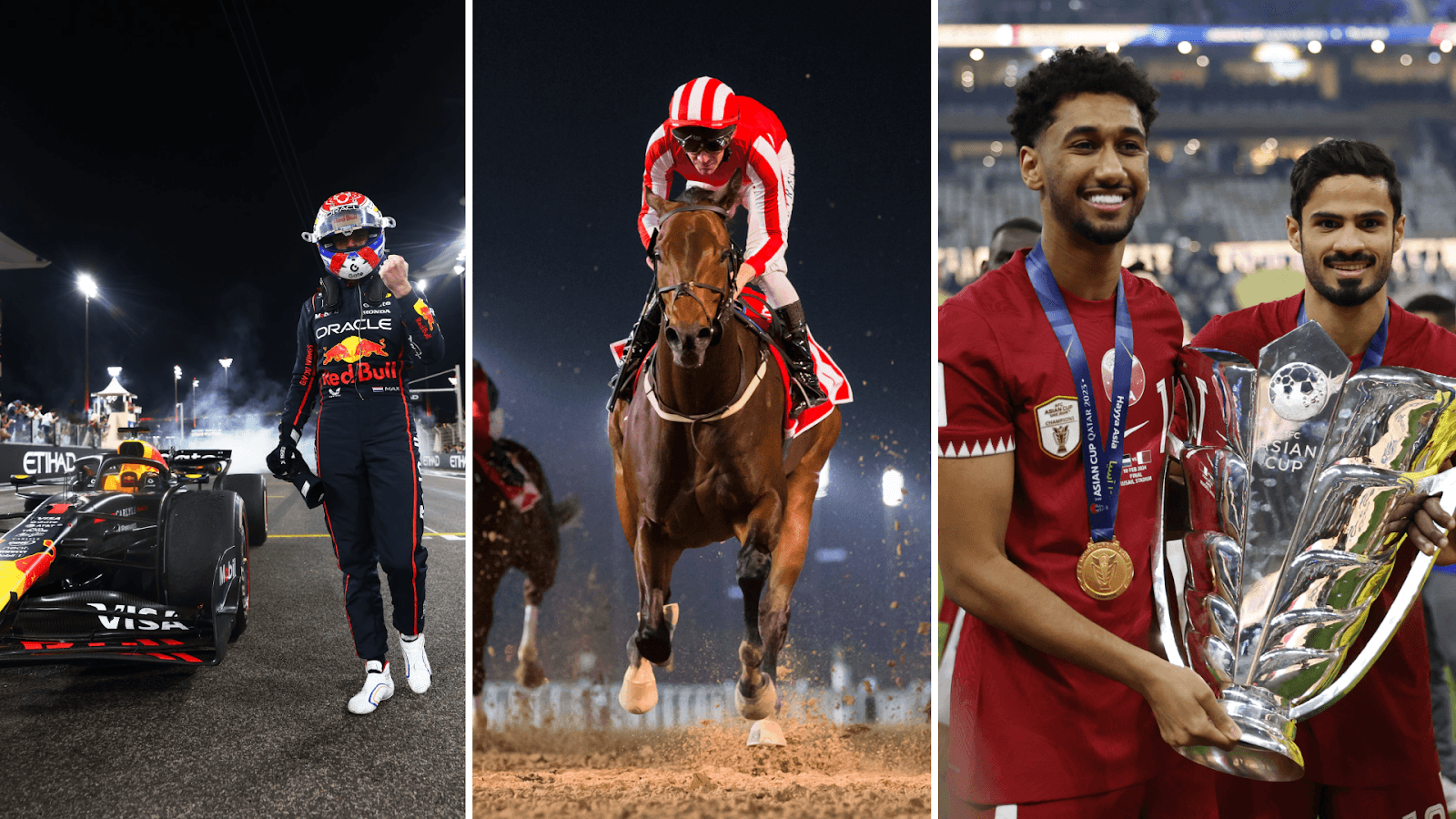
The numbers speak for themselves. In 2024, the UAE hosted 127 international sporting events, generating an estimated AED 8.2 billion ($2.2 billion) in economic impact. This includes marquee events like the Abu Dhabi Grand Prix, Dubai World Cup, DP World Tour Championship, and the UAE Tour cycling race. The sports sector now contributes approximately 2.8% to the UAE's GDP, with projections to reach 4% by 2030.
INFRASTRUCTURE INVESTMENT: BUILDING WORLD-CLASS FACILITIES
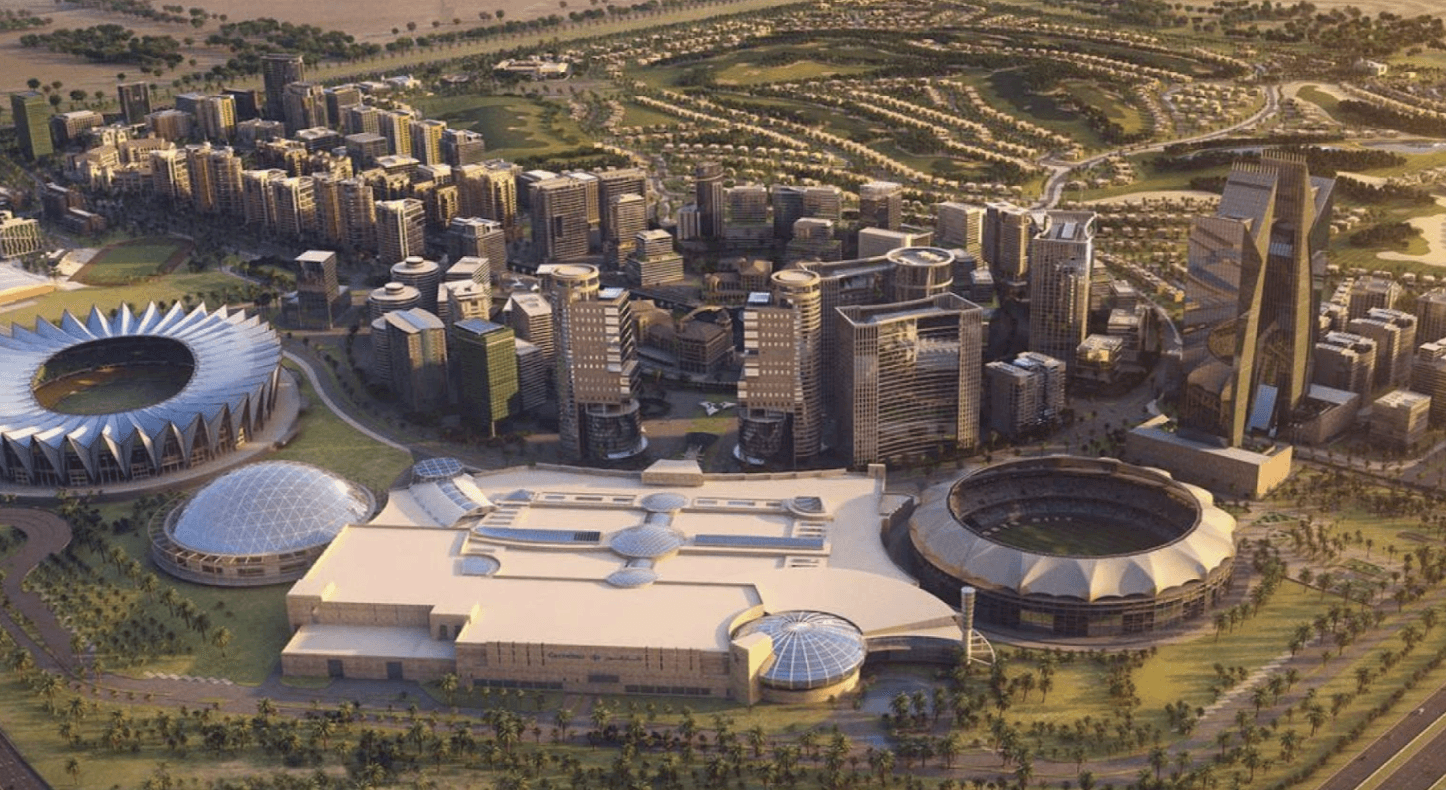
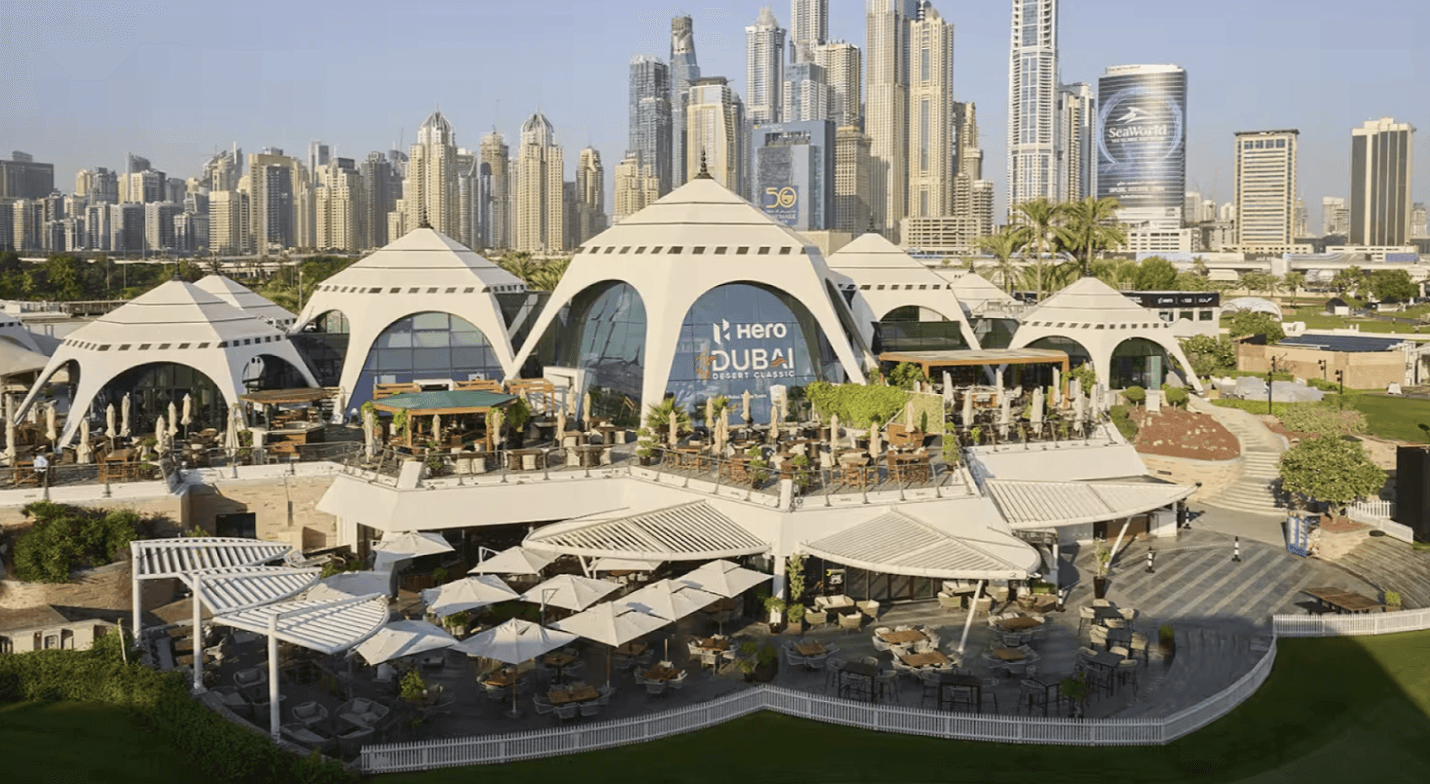
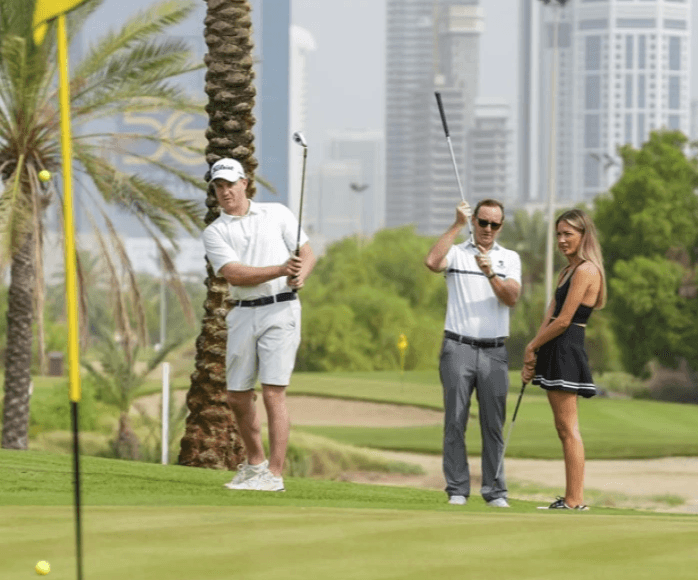
The UAE's infrastructure investment in sports has been nothing short of extraordinary. Dubai Sports City, a 50-million-square-foot development, stands as the world's first purpose-built sports city, featuring Olympic-standard facilities across multiple disciplines. The complex includes a 25,000-seat cricket stadium, an 18-hole championship golf course, a 10,000-seat multi-purpose indoor arena, and residential communities designed specifically for athletes and sports professionals.
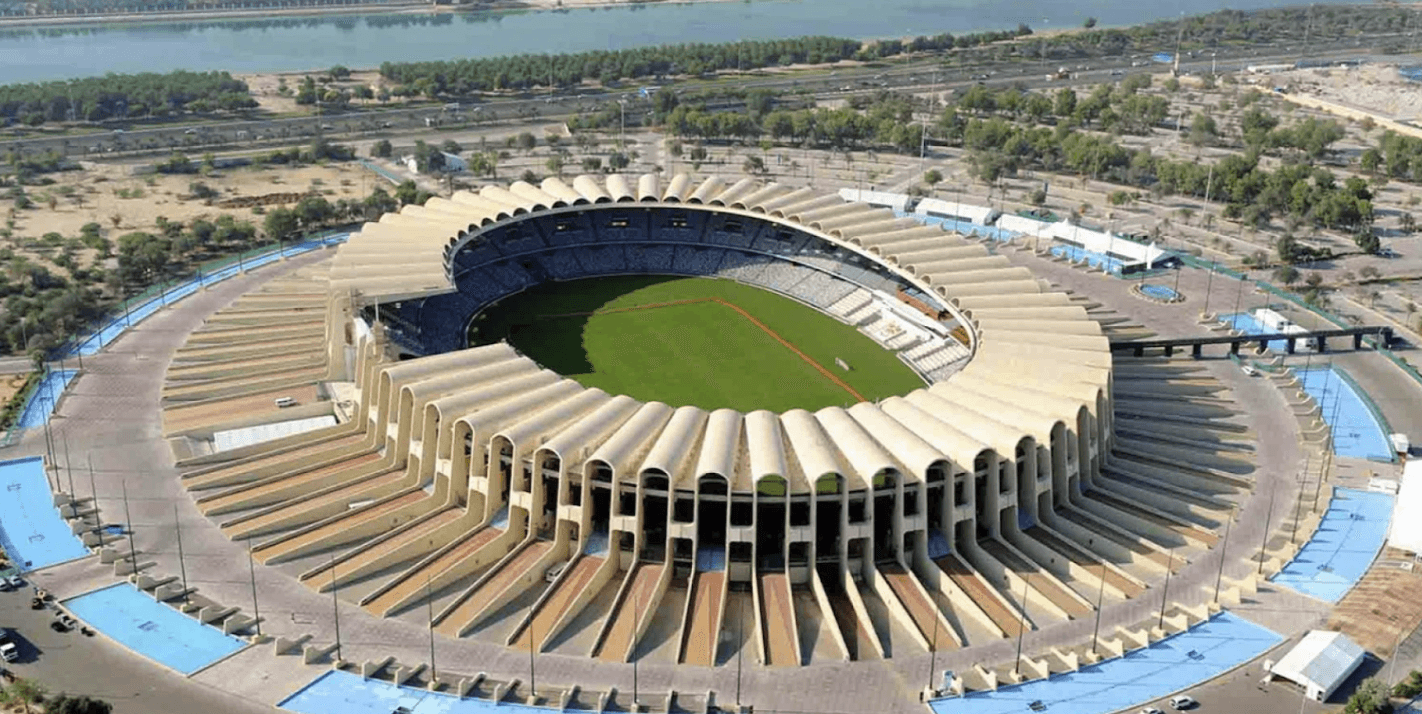
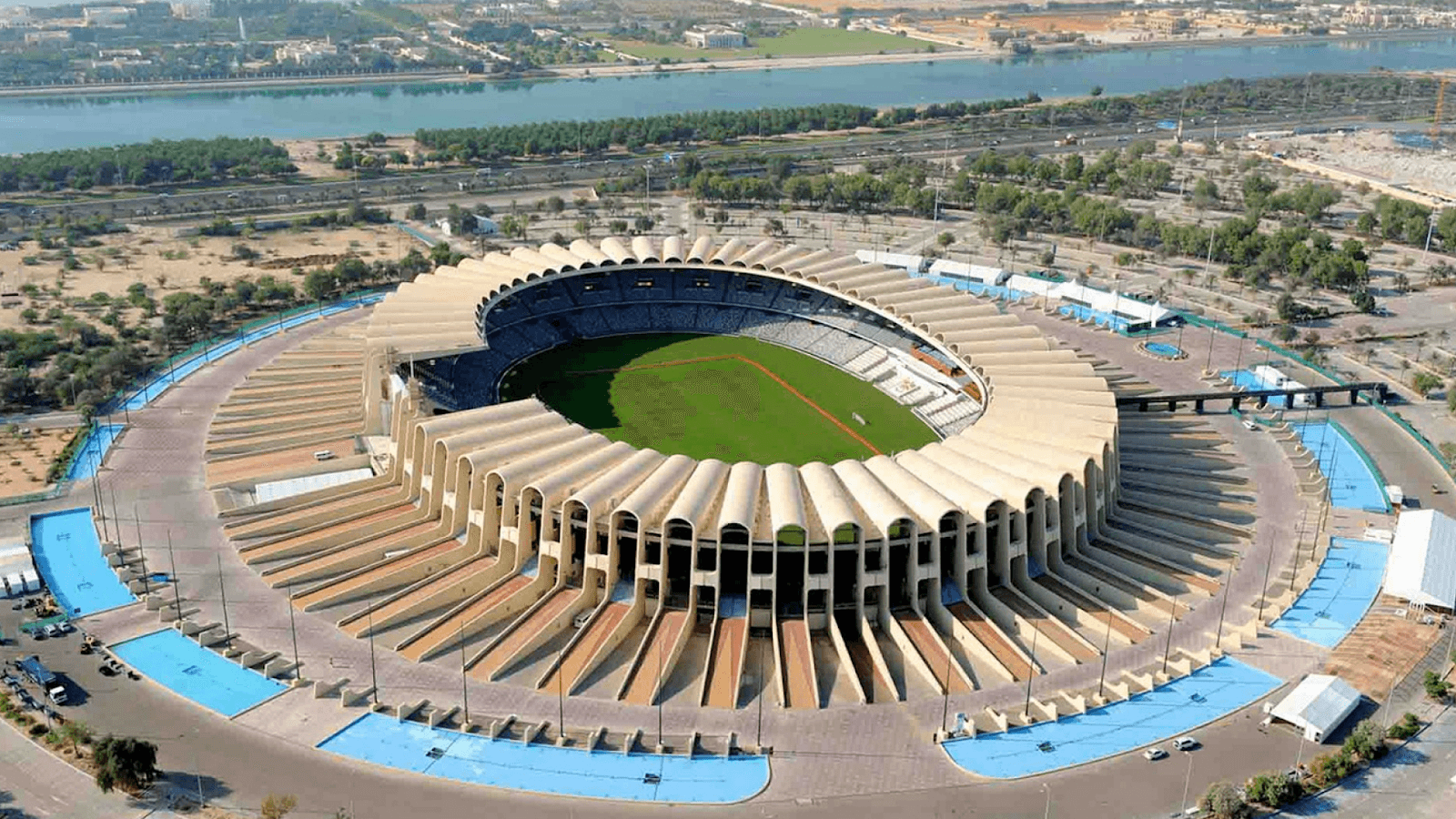
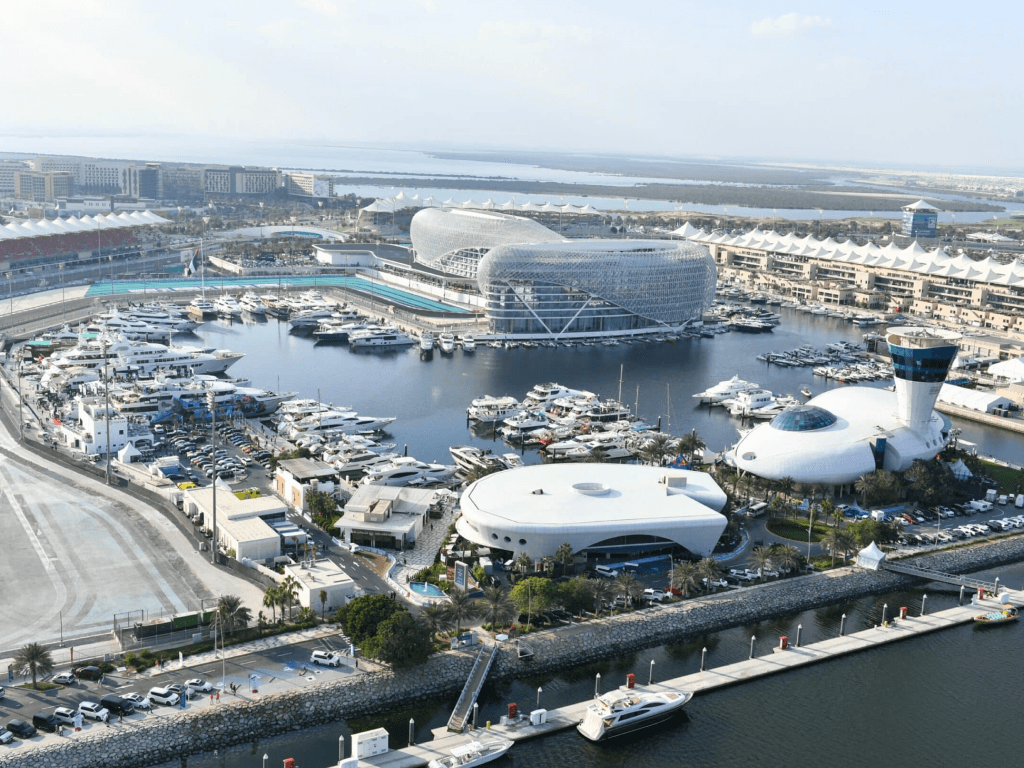
Abu Dhabi has matched this ambition with Yas Island, home to the Yas Marina Circuit (Formula 1), Yas Links Golf Course, and the upcoming Etihad Arena with 18,000-seat capacity. The emirate has invested over AED 12 billion ($3.3 billion) in sports infrastructure since 2015, including the renovation of Zayed Sports City and the construction of specialized training centers for football, athletics, and aquatics.
Sharjah Cricket Stadium, with its capacity of 27,000, has become a preferred venue for international cricket, hosting IPL matches, Asia Cup fixtures, and bilateral series. The stadium's state-of-the-art facilities, including advanced drainage systems and world-class practice facilities, have made it a favorite among international cricket boards.
ATTRACTING GLOBAL TALENT: THE ATHLETE RESIDENCY PROGRAM
In 2019, the UAE launched the Golden Visa program, offering 10-year residency to exceptional athletes, coaches, and sports administrators. This initiative has attracted over 2,500 sports professionals to the UAE, including Olympic medalists, world champions, and elite coaches. The program provides long-term stability, tax benefits, and access to world-class training facilities, making the UAE an attractive destination for athletes seeking to extend their careers or transition into coaching and sports management.
The impact has been significant. The UAE national teams across various sports now feature naturalized athletes who have chosen to make the Emirates their home. In football, cricket, rugby, and athletics, the infusion of international talent has elevated the competitive standard and provided valuable mentorship to local athletes.
YOUTH DEVELOPMENT: INVESTING IN THE NEXT GENERATION
The UAE has committed over AED 2 billion ($545 million) to youth sports development programs since 2020. The National Youth Sports Strategy focuses on grassroots participation, talent identification, and elite athlete development pathways. Every emirate now has dedicated youth sports academies offering free or subsidized training in over 30 different sports.
The results are already visible. UAE youth teams have achieved unprecedented success in regional and international competitions. The U-17 football team qualified for the FIFA U-17 World Cup in 2023, while young Emirati athletes have won medals at Asian Youth Games and Arab Championships across multiple disciplines. The investment in youth development is creating a sustainable pipeline of local talent that will represent the UAE for decades to come.

SPORTS TECHNOLOGY AND INNOVATION HUB
The UAE is positioning itself as a global center for sports technology and innovation. Dubai Sports Tech, a government-backed initiative launched in 2022, has attracted over 50 sports technology startups to establish regional headquarters in the UAE. The Dubai Future Foundation has invested AED 500 million ($136 million) in sports tech ventures, focusing on areas like performance analytics, injury prevention, fan engagement, and esports.
The UAE Sports Innovation Lab, based in Abu Dhabi, collaborates with international universities and research institutions to develop cutting-edge solutions for athlete performance, sports medicine, and facility management. The lab has filed 23 patents since its inception in 2021 and has commercialized several products now used by professional teams worldwide.
MAJOR EVENT HOSTING: A PROVEN TRACK RECORD
The UAE's ability to host world-class sporting events has been demonstrated repeatedly. The Abu Dhabi Grand Prix has been a fixture on the Formula 1 calendar since 2009, consistently rated as one of the best-organized races by teams and drivers. The Dubai World Cup, with its $30.5 million prize purse, is the world's richest horse race and attracts the finest thoroughbreds and jockeys globally.
The UAE's hosting of the 2019 AFC Asian Cup showcased the nation's organizational capabilities. The tournament, featuring 24 teams across eight venues, was praised by FIFA and AFC officials for its flawless execution, world-class facilities, and enthusiastic fan engagement. The event attracted over 850,000 spectators and generated an estimated economic impact of AED 3.8 billion ($1 billion).
Looking ahead, the UAE is bidding to host major international events including the Asian Games, Commonwealth Games, and various world championships. The nation's proven track record, combined with its world-class infrastructure and strategic location, makes it a strong contender for these prestigious events.
ECONOMIC IMPACT: SPORTS AS A GROWTH ENGINE
The economic impact of the UAE's sports sector extends far beyond event hosting. Sports tourism has become a significant contributor to the economy, with an estimated 4.2 million sports tourists visiting the UAE in 2024. These visitors spend an average of AED 8,500 ($2,300) per trip, contributing to hotel occupancy, retail sales, and hospitality revenues.
The sports sector has also created substantial employment opportunities. Over 85,000 people are now directly employed in sports-related industries in the UAE, including coaching, facility management, sports medicine, event management, and sports media. The sector's growth has spawned numerous ancillary businesses, from sports equipment retailers to specialized nutrition companies.
REGIONAL LEADERSHIP AND COLLABORATION
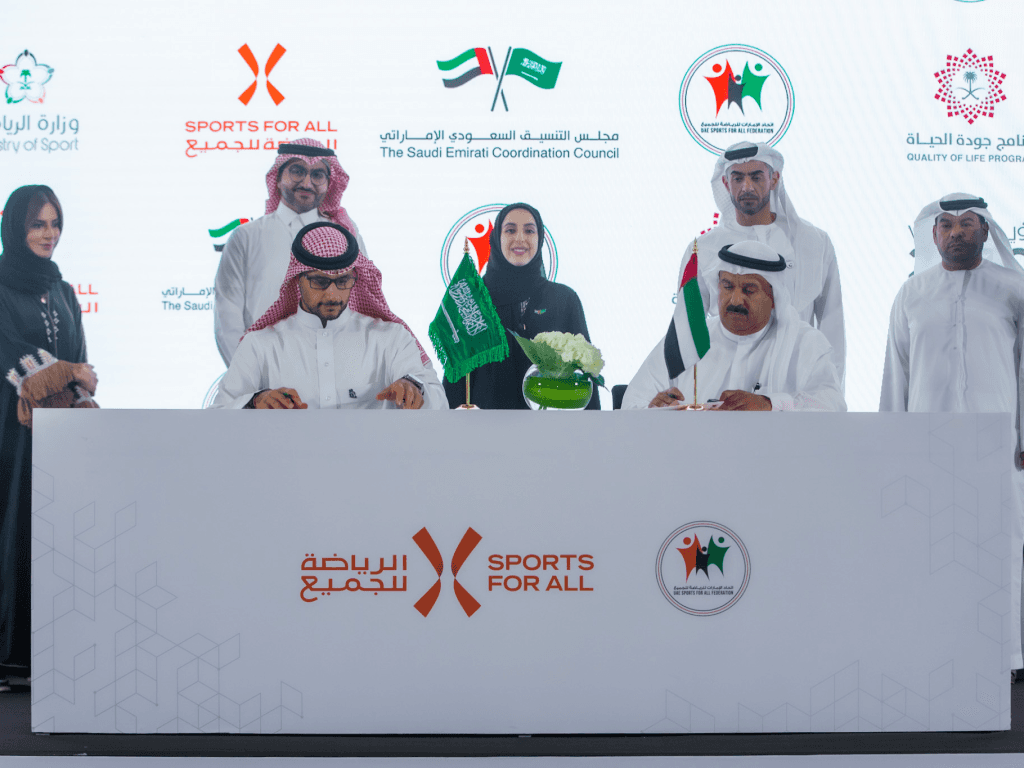
The UAE has emerged as a leader in regional sports development, fostering collaboration across the GCC and wider Middle East. The historic Saudi-UAE Sports Partnership Agreement, signed in 2024, established a framework for joint event hosting, athlete exchange programs, and shared infrastructure development. The agreement includes plans for a Gulf Premier League in football, a unified GCC athletics championship, and collaborative sports technology initiatives.
The UAE has also played a crucial role in supporting sports development in neighboring countries. Through the UAE Sports Aid program, the nation has provided funding, expertise, and training opportunities to athletes and sports organizations across the Arab world. This regional leadership has enhanced the UAE's soft power and positioned it as a bridge between East and West in the global sports community.
THE ROAD AHEAD: VISION 2031 AND BEYOND
As the UAE looks toward 2031 and beyond, the ambition remains undiminished. The nation aims to host a Summer Olympic Games by 2040, a goal that would represent the culmination of decades of investment and development. To achieve this, the UAE is planning additional infrastructure investments exceeding AED 20 billion ($5.4 billion), including an Olympic-standard athletics stadium, aquatics center, and athlete village.
The focus on sustainability is also shaping future developments. All new sports facilities are being designed to LEED Gold standards or higher, with renewable energy integration, water conservation systems, and sustainable materials. The UAE aims to host the world's first carbon-neutral major sporting event by 2028.
The transformation of the UAE into a global sports destination is a testament to strategic vision, sustained investment, and unwavering commitment to excellence. As the nation continues to build on its achievements, it is clear that the UAE's influence on the global sports landscape will only grow stronger in the years to come.
KEY STATISTICS
• $15+ billion invested in sports infrastructure since 2010
• 127 international sporting events hosted in 2024
• AED 8.2 billion ($2.2 billion) economic impact from sports events in 2024
• 2,500+ international sports professionals granted Golden Visas
• 4.2 million sports tourists visited UAE in 2024
• 85,000+ people employed in sports-related industries
• Sports sector contributes 2.8% to UAE GDP (target: 4% by 2030)
• 80% sports participation target by 2031